Small steps can prevent identity theft
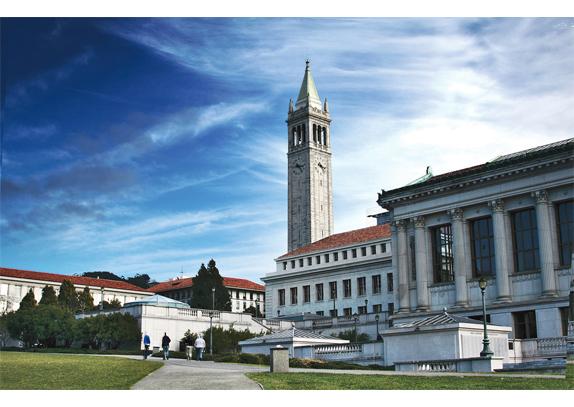
University of California Berkeley had their financial information breached recently.
It’s easy for hackers to access our information. But by taking the right steps to protect our information, we can help prevent any future data hacking.
I recently read about a campus that had their internet servers broken into and a lot of student’s personal information was stolen as a result. I’ll refrain from identifying the campus because they are still cleaning up the mess that the hackers and some students are both responsible for.
Universities should secure the private information of its students and take the time necessary to make sure that outside sources can’t break through. However at the same time, it is assumed that students will take responsibility and not download things they shouldn’t or are able to make passwords that don’t include personal information.
I’ve discussed the concept of hackers and viruses with students before. What I found was that many are unaware of just how easy it is for hackers to break through and get personal information if they want it.
An example of impact information breaches occurred last week when a hacker decided to cause a data breach in UC Berkeley’s system that held the financial information of 80,000 students, faculty, employees, former employees and alumni.
School officials claimed that there was no direct threat because there was no evidence that any information was stolen. They did notify all those who potentially could be affected. While these are essential steps, waiting for evidence of stolen identity isn’t a good way to prevent future break-ins.
Financial information and records are some of the easiest ways for identity theft and fraud to occur. So while it seems like school officers are trying to say that it isn’t that big of a deal, there is always the possibility that it can be.
UC Berkeley’s Chief Information Security Officer Paul Rivers says it the best when he said, “We (looked) at all the available evidence of what the attackers did, and as we looked at that, we don’t see any evidence that these are the kinds of attackers that did access the data, or did anything to take that data.”
This quote that makes me happy to see that the security team there did look into the incident, but I feel like there is always room to be cautious. Rivers did acknowledge the need to be cautious. He let people figure out how to deal with the breach in their own way but I am not sure this is necessarily enough to make those affected feel protected.
Some may be wondering why this occurs but according to the SF Gate this data breach was the third largest affecting school institutions. It shows how hard it can be to protect institutions even when some at UC Berkeley thought the security was some of the best. I think it’s imperative to start thinking of all alternatives that might occur.
UND is like any other campus, and while it’s great we have an IT office and a network of people working to protect our records, we can never be too careful. The system at UC Berkeley and the other affected institutions are being patched, but the reality is these problems are not something to take lightly.
Having aware students who consistently change their passwords to things that aren’t common or use encryption keys are good precautionary measures. It’s not enough to have the same password for everything.
Amina Chinnell-Mateen is a staff writer for The Dakota Student. She can be reached at [email protected]